Introduction
The boating industry is evolving rapidly in 2026, driven by the need for efficiency, convenience, and smarter operational management. One of the most significant advancements reshaping the industry is mobile fuel delivery for boats.
Traditionally, boat owners and operators had to rely on fixed fuel docks, often dealing with long wait times, limited availability, and operational disruptions. Today, mobile fuel delivery services are changing the game by bringing fuel directly to boats, yachts, and marine facilities.
This shift is not just about convenience—it represents a broader transformation toward on-demand services, digital integration, and cost-efficient fuel management. From private yacht owners to commercial fleets, the adoption of mobile fuel delivery is growing rapidly across the marine industry.
What Is Mobile Fuel Delivery?
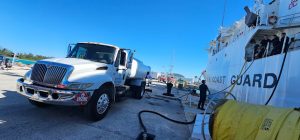
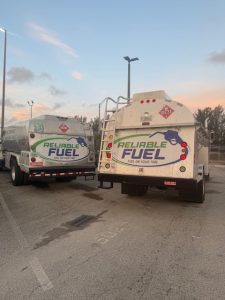
Mobile fuel delivery is a service where fuel is transported directly to boats, yachts, and marine facilities using specialized fuel trucks or marine fueling vessels.
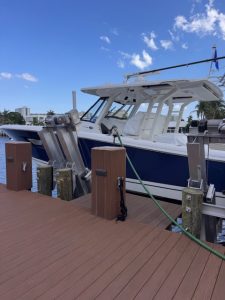
Instead of traveling to a fuel station, boat owners can request fuel delivery at their preferred location, including:
- Marinas
- Private docks
- Waterfront properties
- Commercial ports
How Mobile Fuel Delivery Works
- The boat owner schedules a fuel delivery (online or via phone)
- A fuel provider dispatches a delivery vehicle or vessel
- Certified professionals deliver fuel directly to the boat
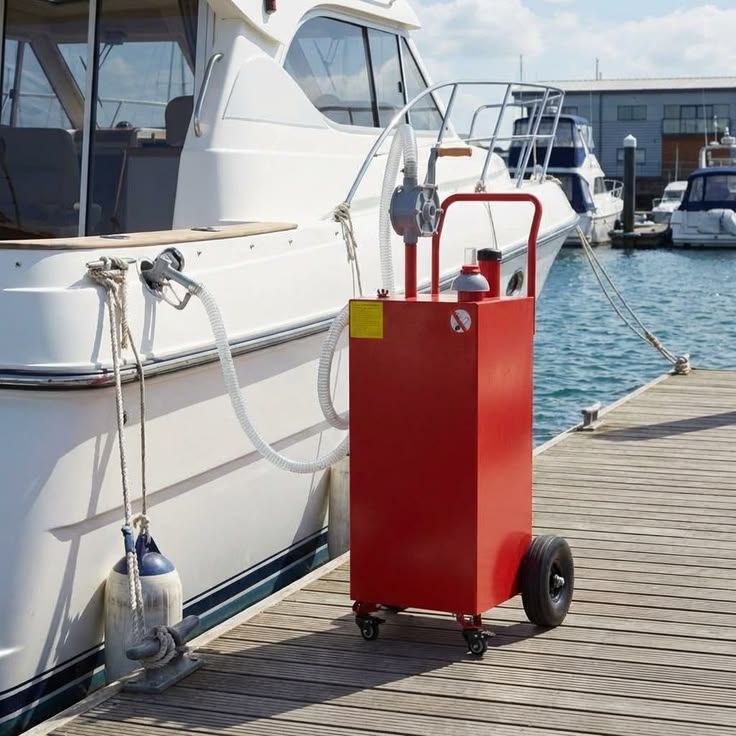
- Fuel is transferred safely using approved equipment
This streamlined process ensures quick, efficient, and hassle-free fueling.
Why Mobile Fuel Delivery Is Gaining Popularity
The rapid growth of boat fuel delivery services is driven by several key factors:
- Increasing fuel prices
- Rising boating activity
- Demand for convenience
- Need for operational efficiency
- Growth of marine tourism
As the marine industry becomes more competitive, businesses and boat owners are turning to mobile fueling solutions to stay ahead.
Key Benefits of Mobile Fuel Delivery
1. On-Demand Fueling
One of the biggest advantages of mobile fuel delivery is flexibility.
Boat owners can schedule fuel delivery:
- Anytime they need it
- Before or after trips
- During maintenance periods
This ensures vessels are always ready for operation without delays.
2. Improved Productivity
For commercial operators, time is money. Waiting at fuel docks can disrupt schedules and reduce efficiency.
With mobile fuel delivery:
- Boats remain operational
- Downtime is minimized
- Trip frequency increases
- Revenue potential improves
Charter companies, fishing fleets, and transport operators benefit significantly from this efficiency.
3. Cost Savings and Fuel Optimization
Mobile fuel delivery helps reduce overall costs in several ways:
Reduced Fuel Consumption
Boats no longer need to travel to fuel docks, saving fuel and reducing wear on engines.
Bulk Fuel Purchasing
Operators can purchase fuel in bulk, benefiting from lower per-gallon costs.
Better Budget Management
Predictable fuel delivery schedules help businesses manage expenses more effectively.
4. Convenience and Ease of Use
Convenience is one of the primary reasons boat owners are switching to mobile fuel delivery.
Benefits include:
- No waiting in queues
- No navigation through crowded marinas
- Simple scheduling process
- Seamless fueling experience
This makes mobile fueling an ideal solution for both private and commercial users.
5. Enhanced Safety
Professional fuel delivery providers follow strict safety protocols, including:
- Certified fueling equipment
- Trained technicians
- Spill prevention systems
- Secure fuel handling procedures
This reduces the risks associated with manual fuel transport and handling.
Technology Behind Mobile Fuel Delivery
Technology is a major driver behind the success of mobile fuel delivery services.
GPS Tracking
Fuel delivery vehicles are equipped with GPS systems that enable:
- Real-time tracking
- Accurate delivery timing
- Optimized routes
Digital Scheduling Platforms
Boat owners can now book fuel deliveries through online platforms or mobile apps.
Features include:
- Easy scheduling
- Delivery tracking
- Service notifications
- Order history
Real-Time Fuel Monitoring
Advanced fuel monitoring systems allow boat owners to:
- Track fuel levels
- Monitor consumption
- Receive alerts for refueling
This ensures efficient fuel management.
Automated Billing and Reporting
Digital systems provide:
- Transparent pricing
- Automated invoices
- Detailed fuel usage reports
This helps businesses maintain accurate financial records.
Mobile Fuel Delivery vs Traditional Fueling
| Feature | Mobile Fuel Delivery | Traditional Fuel Dock |
|---|---|---|
| Convenience | High | Moderate |
| Time Efficiency | Excellent | Low |
| Fuel Waste | Minimal | Higher |
| Flexibility | High | Limited |
| Safety | Professional handling | Varies |
This comparison highlights why mobile fuel delivery is becoming the preferred choice.
Growing Demand in 2026
The demand for mobile fuel delivery for boats is increasing rapidly.
Key Growth Drivers
Rising Fuel Costs
Boat owners are looking for cost-effective fueling solutions.
Increased Boating Activity
More people are investing in boating and marine tourism.
Expansion of Marine Tourism
Tourism growth is increasing demand for efficient fueling services.
Operational Efficiency Needs
Businesses are prioritizing efficiency to remain competitive.
Environmental Benefits of Mobile Fuel Delivery
Mobile fuel delivery also contributes to environmental sustainability.
Reduced Emissions
By minimizing boat travel to fuel docks, fuel delivery services help reduce emissions.
Optimized Fuel Usage
Better fuel management leads to lower fuel consumption and reduced waste.
Safer Fuel Handling
Professional delivery reduces the risk of spills and environmental contamination.
Future of Mobile Fuel Delivery in the Marine Industry
The future of mobile fuel delivery is driven by innovation and technology.
Emerging Trends
- AI-powered fuel management systems
- Automated fuel scheduling
- Integration with smart marine systems
- Expansion of eco-friendly fuel options
- Fully digital fueling platforms
These advancements will make mobile fuel delivery even more efficient and accessible.
Conclusion
Mobile fuel delivery is revolutionizing the boating industry in 2026. By offering convenience, efficiency, cost savings, and advanced technology, it is quickly becoming an essential service for modern boat owners.
Whether for private yachts or commercial operations, boat fuel delivery services provide a smarter and more reliable way to manage fuel.
As the industry continues to evolve, mobile fuel delivery will play a crucial role in shaping the future of marine operations.