Introduction
The global boating and yacht industry is experiencing a major transformation in 2026. With increasing fuel prices, evolving environmental regulations, and rapid advancements in technology, boat fuel delivery services are becoming more essential than ever.
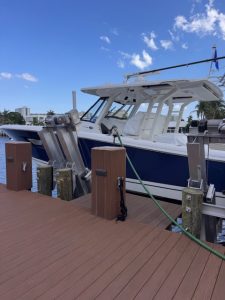
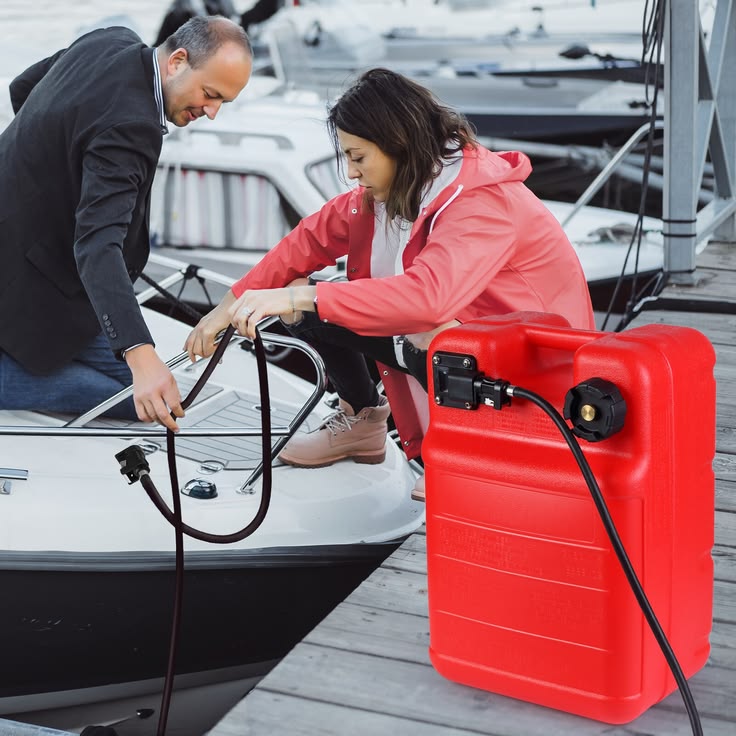
Traditionally, boat owners and marine operators relied on fuel docks, often spending hours navigating congested marinas and waiting in queues. Today, the industry is shifting toward on-demand marine fuel delivery, where fuel is delivered directly to vessels at docks, marinas, or private locations.
This transition is not just about convenience—it’s about efficiency, cost control, and operational optimization. Whether it’s private yacht owners, fishing vessels, or commercial charter operators, businesses are now prioritizing smarter fueling solutions to stay competitive in a rapidly evolving market.
Rising Fuel Prices Impacting Boat Operations
One of the most significant developments in 2026 is the steady rise in marine fuel prices. Global supply chain disruptions, geopolitical tensions, and fluctuating crude oil markets have contributed to higher fuel costs worldwide.
Boat operators are now paying $1–$1.50 more per gallon, which has a direct impact on operational expenses.
Key Impacts on the Marine Industry
- Higher Daily Operating Costs
Fuel is one of the largest expenses in marine operations. Even small price increases can significantly affect daily budgets. - Reduced Profit Margins
Charter companies and commercial operators are facing tighter margins, especially during peak seasons. - Increased Customer Pricing
Many businesses are forced to pass fuel costs on to customers, affecting demand and competitiveness. - Greater Focus on Efficiency
Operators are now actively seeking ways to reduce fuel consumption and optimize usage.
As fuel price volatility continues, businesses are increasingly turning to marine fuel delivery services to better manage costs and avoid unnecessary fuel waste.
Why Boat Fuel Delivery Services Are Growing Rapidly
The demand for boat fuel delivery services has surged in recent years—and 2026 is proving to be a turning point.
1. Eliminating Unnecessary Fuel Consumption
Traveling to a fuel dock often requires additional fuel usage, especially in busy marinas. This not only increases costs but also wastes valuable time.
With dockside fuel delivery, fuel is brought directly to the vessel, eliminating unnecessary travel and reducing overall fuel consumption.
2. Bulk Fuel Purchasing for Cost Savings
Fuel delivery providers allow boat owners and operators to purchase fuel in bulk.
Benefits include:
- Lower per-gallon pricing
- Protection against market fluctuations
- Improved budget planning
- Reduced frequency of refueling trips
Bulk purchasing is especially beneficial for fleet operators and charter businesses that consume large volumes of fuel.
3. Improved Time Efficiency
Time is a critical factor in marine operations. Waiting at fuel docks can delay trips, disrupt schedules, and impact customer satisfaction.
With mobile fuel delivery, vessels can:
- Stay docked and ready
- Avoid long queues
- Maintain operational schedules
- Increase trip frequency
This is particularly valuable for charter companies and commercial vessels.
4. Enhanced Safety and Compliance
Professional fuel delivery services follow strict safety protocols, including:
- Spill prevention measures
- Certified fuel handling equipment
- Trained technicians
- Environmental compliance standards
This reduces risks associated with manual fuel handling and ensures safe fueling practices.
Shift Toward Flexible Fuel Strategies
Another major trend in 2026 is the shift toward flexible fuel strategies.
Instead of relying on a single fuel type, marine operators are diversifying their fuel options to manage risks associated with price volatility and supply disruptions.
Key Strategies Include:
- Using Multiple Fuel Types
Operators are exploring diesel, biofuels, and hybrid fuel options. - Switching Between Fuel Sources
Depending on availability and pricing, operators can adapt quickly. - Adopting Dual-Fuel Engines
Modern vessels are increasingly equipped with engines that support multiple fuel types.
Why This Matters
Flexible fuel strategies provide:
- Greater operational resilience
- Reduced dependency on a single supply chain
- Cost optimization opportunities
- Environmental benefits
This trend is especially important as the industry moves toward sustainable marine fuel solutions.
Smart Technology Transforming Fuel Delivery
Technology is revolutionizing how fuel is delivered and managed in the marine industry.
Digital Fuel Monitoring
Modern systems allow boat owners to:
- Track fuel levels in real time
- Monitor consumption patterns
- Receive alerts for refueling
This ensures vessels never run out of fuel unexpectedly.
Route Optimization for Fuel Delivery
Fuel delivery companies are using advanced logistics systems to optimize delivery routes.
Benefits include:
- Faster delivery times
- Reduced transportation costs
- Lower emissions
- Improved service reliability
Fuel Optimization Tools
New digital platforms analyze fuel usage and provide actionable insights.
These tools help operators:
- Reduce fuel waste
- Improve engine performance
- Optimize travel routes
- Lower operational costs
Integration with Smart Marine Systems
Fuel management systems are now being integrated with onboard technologies, allowing seamless communication between vessels and fuel providers.
This creates a fully automated fueling ecosystem, improving efficiency and reducing manual intervention.
Sustainability and Environmental Considerations
Environmental regulations are becoming stricter, pushing the marine industry toward cleaner fuel solutions.
Fuel delivery companies are adapting by offering:
- Low-emission diesel options
- Biofuel blends
- Cleaner fuel handling practices
Boat operators are also investing in:
- Fuel-efficient engines
- Hybrid propulsion systems
- Reduced carbon footprint strategies
Sustainability is no longer optional—it is becoming a key driver of innovation in boat fuel delivery.
The Future of Boat Fuel Delivery
Looking ahead, the future of marine fuel delivery services is driven by innovation and efficiency.
Emerging Trends to Watch:
- AI-powered fuel management systems
- Automated fuel scheduling
- Drone-assisted fuel monitoring (experimental)
- Expansion of eco-friendly fuel options
- Fully digital fuel delivery platforms
These advancements will make fuel delivery faster, smarter, and more sustainable.
Conclusion
Boat fuel delivery services are no longer just a convenience—they are a necessity in 2026.
With rising fuel prices, increasing operational challenges, and rapid technological advancements, on-demand fuel delivery is transforming the marine industry.
By adopting modern fueling solutions, boat owners and marine businesses can:
- Reduce operational costs
- Improve efficiency
- Enhance safety
- Stay competitive in a changing market
As the industry continues to evolve, fuel delivery will remain a critical component of efficient and sustainable marine operations.