Introduction
Sustainability has become one of the most important driving forces in the marine industry in 2026. With increasing global pressure to reduce carbon emissions and protect marine ecosystems, boat and yacht owners are actively seeking cleaner, more efficient fuel solutions.
Traditional marine fuels, while effective, contribute significantly to environmental pollution. As a result, the industry is shifting toward sustainable marine fuel delivery, where fuel providers offer environmentally friendly alternatives alongside advanced fueling practices.
Fuel delivery companies are no longer just suppliers—they are now key contributors to the transition toward green boating and sustainable marine operations.
Why Sustainability Matters in the Marine Industry
The marine sector plays a crucial role in global transportation and tourism, but it also contributes to:
- Carbon emissions
- Water pollution
- Air quality degradation
- Marine ecosystem damage
Governments and regulatory bodies are introducing stricter environmental standards, encouraging the adoption of clean marine fuels.
Key Drivers of Sustainability
- Global climate change regulations
- Rising fuel costs
- Increased environmental awareness
- Demand for eco-friendly boating experiences
As a result, sustainable fuel delivery for boats is becoming a necessity rather than an option.
Rise of Alternative Marine Fuels
One of the biggest developments in 2026 is the rise of alternative marine fuels. These fuels are designed to reduce emissions while maintaining performance and efficiency.
1. LNG (Liquefied Natural Gas)
LNG is gaining popularity as a cleaner alternative to traditional diesel.
Benefits of LNG:
- Lower carbon emissions
- Reduced sulfur and particulate matter
- Improved air quality
- Efficient combustion
Many commercial vessels and large yachts are now adopting LNG-powered engines.
2. Methanol as a Marine Fuel
Methanol is emerging as a promising alternative fuel in the marine industry.
Advantages of Methanol:
- Lower emissions compared to diesel
- Easier storage and handling
- Compatibility with modern engines
- Potential for renewable production
Methanol-powered vessels are becoming increasingly common, especially in commercial fleets.
3. Biofuels for Boats and Yachts
Biofuels are derived from renewable sources such as plant materials and waste oils.
Key Benefits of Biofuels:
- Reduced carbon footprint
- Compatibility with existing engines
- Sustainable production
- Lower environmental impact
Biofuel blends are already being used in many marine operations, making them one of the most practical sustainable solutions available today.
Industry Shift Toward Cleaner Fuels
The adoption of these fuels is still gradual, but the trend is clear—the marine industry is moving toward a low-emission future.
Fuel Efficiency Innovations in Boats and Yachts
In addition to alternative fuels, modern boats are being designed with fuel efficiency as a priority.
Advanced Marine Engine Technology
New-generation marine engines are equipped with:
- Advanced fuel injection systems
- Optimized combustion processes
- Reduced fuel consumption rates
- Improved engine performance
Digital Monitoring Systems
Technology is enabling better fuel management through:
- Real-time fuel tracking
- Performance analytics
- Predictive maintenance systems
These systems help boat owners reduce fuel waste and improve efficiency.
Benefits of Fuel Efficiency Innovations
- Lower operating costs
- Reduced emissions
- Improved vessel performance
- Longer engine lifespan
Fuel efficiency is now a key factor in both cost management and sustainability.
Hybrid and Hydrogen-Powered Boats
One of the most exciting developments in 2026 is the rise of hybrid and hydrogen-powered vessels.
Hybrid Boats
Hybrid boats combine traditional fuel engines with electric propulsion systems.
Benefits:
- Reduced fuel consumption
- Lower emissions
- Quiet operation
- Improved efficiency
Hydrogen-Powered Yachts
Hydrogen is emerging as a revolutionary fuel source in the marine industry.
Advantages of Hydrogen Fuel:
- Zero carbon emissions
- High energy efficiency
- Clean energy source
Some modern yachts are now using hydrogen fuel cells combined with diesel systems, significantly reducing their environmental impact.
The Future of Clean Marine Energy
Although still in early stages, hydrogen and hybrid technologies are expected to play a major role in the future of boating.
Role of Fuel Delivery Companies in Sustainability
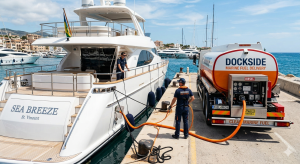
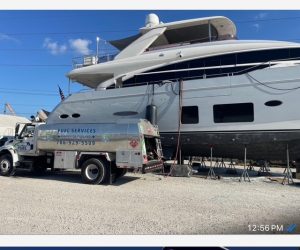
Fuel delivery providers are at the center of the transition toward sustainable marine operations.
1. Supplying Cleaner Fuel Options
Fuel delivery companies are expanding their offerings to include:
- Biofuel blends
- Low-sulfur diesel
- Alternative fuel options
This allows boat owners to transition toward greener fuels without changing their entire infrastructure.
2. Reducing Emissions Through Efficient Logistics
Modern fuel delivery systems use:
- Optimized delivery routes
- GPS tracking
- Fuel-efficient transport vehicles
This reduces emissions during fuel transportation.
3. Safe Fuel Handling and Storage
Professional fuel delivery companies ensure:
- Spill prevention
- Safe storage solutions
- Compliance with environmental standards
This helps protect marine ecosystems.
4. Supporting Regulatory Compliance
Fuel providers help businesses comply with environmental regulations by offering approved fuel types and safe delivery practices.
Challenges in Sustainable Marine Fuel Adoption
Despite its benefits, the transition to sustainable fuels comes with challenges:
- Higher initial costs
- Limited infrastructure
- Availability of alternative fuels
- Technology adaptation
However, as demand increases, these challenges are expected to decrease over time.
The Future of Sustainable Marine Fuel Delivery
The future of eco-friendly boat fuel delivery is driven by innovation and environmental responsibility.
Emerging Trends
- Expansion of renewable fuel options
- Growth of hydrogen-powered vessels
- Increased adoption of hybrid systems
- Digital fuel management platforms
- Stricter environmental regulations
These trends indicate a strong shift toward green marine operations.
Conclusion
Sustainable marine fuel delivery is no longer a concept of the future—it is becoming a present-day necessity.
With the rise of alternative fuels, advanced engine technologies, and eco-friendly fueling practices, the marine industry is undergoing a significant transformation.
Boat and yacht owners who adopt sustainable fuel solutions will benefit from:
- Reduced environmental impact
- Lower long-term costs
- Improved efficiency
- Compliance with regulations
As the demand for cleaner energy continues to grow, fuel delivery services will play a critical role in shaping the future of boating.