Introduction
Fuel is one of the largest operating expenses for many businesses. Whether you manage a transportation fleet, marine vessels, construction equipment, generators, or commercial vehicles, uncontrolled fuel usage can quickly increase costs and reduce profitability.
That is why more organizations are investing in a fuel management system. A modern fuel management system helps monitor fuel consumption, control waste, improve accountability, and streamline daily operations.
Instead of relying on spreadsheets, guesswork, or manual logs, businesses can use data-driven tools to track every gallon used and make smarter decisions.
Companies like Reliable Fuel help businesses improve fuel operations through dependable fuel delivery services and smarter fuel management strategies that support long-term efficiency.
What Is a Fuel Management System?
A fuel management system is a process or technology solution used to track, monitor, control, and optimize fuel usage.
It helps businesses understand:
- How much fuel is being used
- Where fuel is being used
- Which vehicles or equipment consume the most fuel
- Whether fuel waste or theft is occurring
- When fuel deliveries are needed
- How to lower total fuel expenses
Fuel management systems may include software, sensors, reporting tools, fuel cards, tank monitoring, or integrated fleet systems.
Why a Fuel Management System Matters
Without proper control, fuel expenses can rise because of:
- Inefficient routes
- Excessive idling
- Unauthorized fuel use
- Poor maintenance
- Fuel loss or leakage
- Inaccurate record keeping
- Unplanned fuel shortages
A strong fuel management system helps solve these issues while improving operational visibility.
Key Benefits of a Fuel Management System
1. Reduce Fuel Costs
One of the biggest reasons businesses adopt a fuel management system is to lower expenses.
Cost Savings Come From:
- Better route planning
- Lower idle time
- Reduced fuel waste
- Preventing theft or misuse
- Smarter fueling schedules
- Improved maintenance efficiency
Even small improvements in fuel control can create major annual savings.
2. Improve Operational Efficiency
Fuel delays can slow operations and hurt productivity.
With a fuel management system, businesses can:
- Keep vehicles fueled and ready
- Plan deliveries efficiently
- Avoid downtime
- Improve scheduling
- Increase asset utilization
This helps teams stay productive and organized.
3. Real-Time Fuel Monitoring
Modern systems allow businesses to monitor fuel in real time.
Useful Data Includes:
- Tank levels
- Daily fuel usage
- Vehicle consumption trends
- Refill timing
- Cost per asset
This visibility allows faster and smarter decision-making.
4. Better Accountability
Fuel can be difficult to control when multiple employees, drivers, or operators are involved.
A fuel management system creates accountability by tracking:
- Who used fuel
- When fuel was used
- Which vehicle or machine used it
- How much was dispensed
This reduces misuse and improves reporting accuracy.
5. Accurate Budgeting and Forecasting
Fuel prices fluctuate regularly. Businesses need better planning tools.
With proper reporting, companies can:
- Forecast monthly fuel spend
- Compare locations or departments
- Identify seasonal trends
- Build more accurate budgets
This makes financial planning easier.
Industries That Benefit from a Fuel Management System
Fleet and Transportation
Delivery vans, trucks, and service vehicles benefit from route efficiency and usage tracking.
Construction
Heavy machinery often consumes large volumes of diesel. Tracking usage helps reduce waste and downtime.
Marine Operations
Boats and yachts need dependable fuel planning. Marine operators can improve fueling schedules and reduce waste.
Agriculture
Fuel powers tractors, pumps, and equipment. Monitoring use supports seasonal planning.
Backup Power and Generators
Facilities with generators need reliable fuel inventory and refill scheduling.
Fuel Management System for Fleets
Fleet operations often have the greatest need for fuel control.
Benefits for Fleets:
- Driver behavior tracking
- Route optimization
- Reduced idle time
- Fuel card reporting
- Vehicle-level cost analysis
A modern fuel management system can significantly improve fleet profitability.
Fuel Management System for Marine Businesses
Marinas, charter operators, and yacht owners can also benefit.
Marine Benefits:
- Scheduled fueling plans
- Consumption tracking by vessel
- Better trip planning
- Reduced marina fueling delays
- Direct fueling coordination
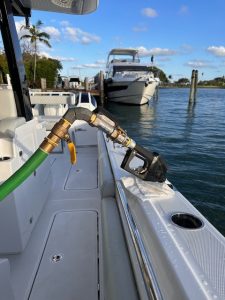
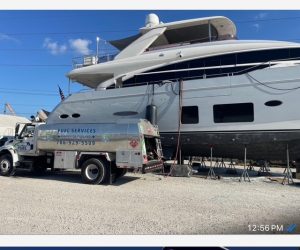
Reliable Fuel supports marine fueling operations with dependable delivery solutions that complement better fuel management practices.
Fuel Tank Monitoring and Inventory Control
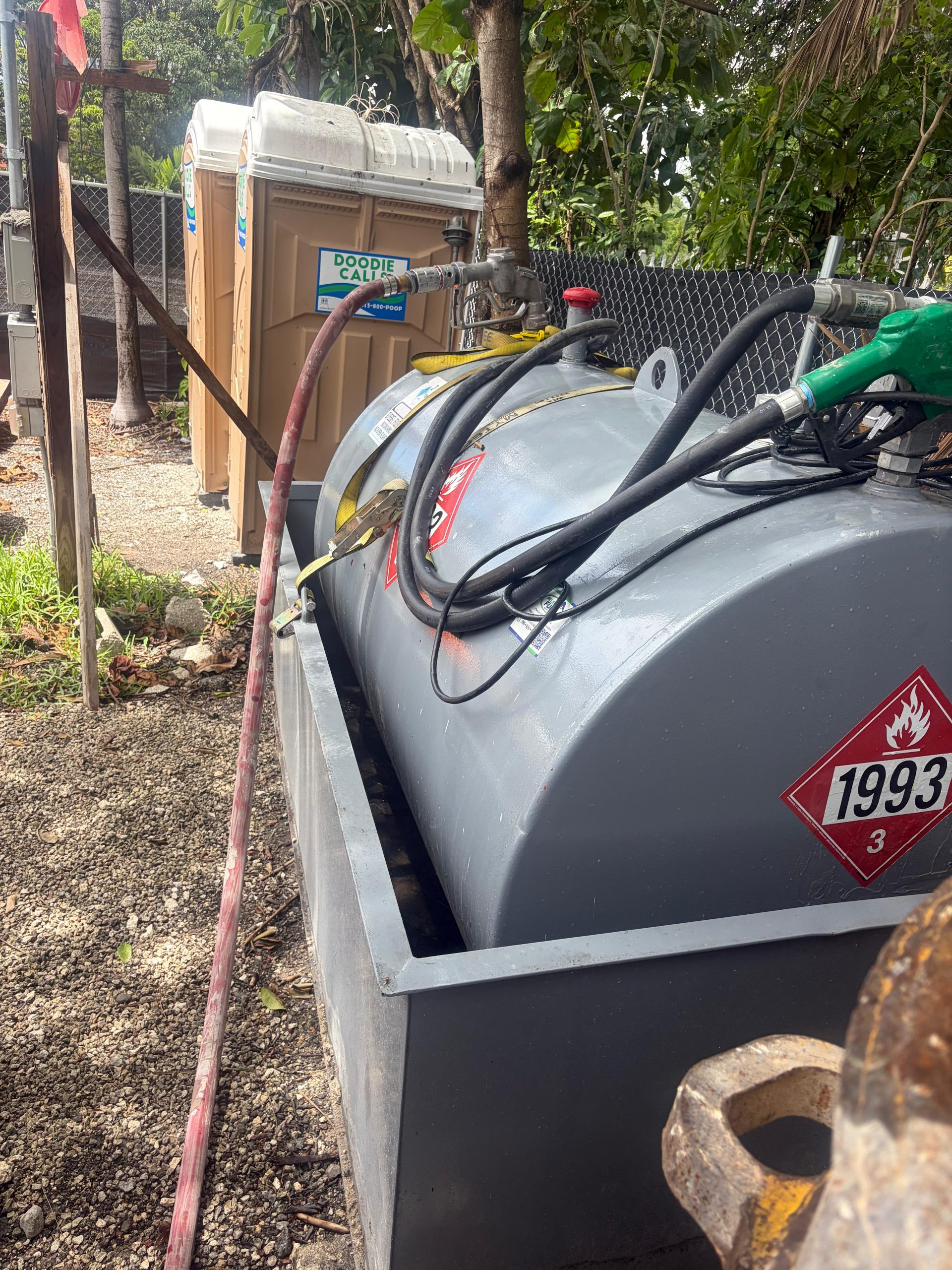
Many businesses store fuel on-site. Without monitoring, shortages or over-ordering can occur.
A fuel management system helps with:
- Tank level alerts
- Reorder scheduling
- Delivery planning
- Fuel loss detection
- Inventory history
This improves reliability and reduces emergency fueling situations.
Role of Reliable Fuel in Better Fuel Management
While software and tracking tools matter, dependable fuel supply is equally important.
Reliable Fuel helps customers strengthen their fuel operations through:
- Timely fuel delivery
- Marine fueling support
- Commercial fueling solutions
- Flexible scheduling
- Reliable service
When paired with a strong fuel management system, dependable fuel delivery creates a complete efficiency strategy.
Technology Driving Modern Fuel Management
Today’s systems are smarter and easier to use than ever before.
Common Features Include:
- Cloud dashboards
- Mobile access
- GPS integration
- Automated reports
- Fuel alerts
- Expense tracking
- Usage analytics
These tools make fuel management more accurate and user-friendly.
Common Fuel Problems a Fuel Management System Solves
Fuel Theft or Misuse
Track every transaction and reduce unauthorized use.
Excessive Idling
Identify wasteful behavior and improve driver habits.
Poor Maintenance
Fuel inefficiency can reveal engine issues early.
Budget Overruns
Use reporting tools to stay on target.
Emergency Refueling
Monitor inventory before tanks run low.
How to Choose the Right Fuel Management System
When selecting a solution, consider:
- Size of your fleet or operation
- Number of fueling locations
- Need for tank monitoring
- Reporting requirements
- Mobile access needs
- Integration with dispatch systems
- Customer support quality
The best fuel management system is one that fits your operation and scales with growth.
Future of Fuel Management Systems
Demand for smarter operations continues to grow.
Emerging Trends:
- AI-based fuel forecasting
- Automated replenishment systems
- Advanced telematics integration
- Predictive maintenance tools
- Sustainability reporting
- Real-time cost benchmarking
The future of fuel control is digital, automated, and data-driven.
Conclusion
A modern fuel management system is one of the most effective ways to improve efficiency and reduce fuel costs. It helps businesses monitor usage, eliminate waste, improve accountability, and make smarter operational decisions.
Whether you manage fleets, marine assets, equipment, or fuel tanks, better control leads to better profits.
By combining strong fuel management practices with dependable delivery from Reliable Fuel, businesses can create a smarter, more efficient fueling operation built for long-term success.
❓ FAQs About Fuel Management System
What is a fuel management system?
A fuel management system is a solution used to track, monitor, control, and optimize fuel usage for businesses or fleets.
How does a fuel management system reduce fuel costs?
It reduces waste, improves route efficiency, tracks misuse, lowers idle time, and improves maintenance planning.
Who needs a fuel management system?
Fleet operators, construction companies, marine businesses, farms, and facilities with generators commonly benefit.
Can small businesses use a fuel management system?
Yes. Even smaller operations can save money and improve control through basic tracking systems.
How does Reliable Fuel help with fuel management?
Reliable Fuel supports efficient operations through dependable fuel delivery, scheduling flexibility, and commercial fueling support.
Is a fuel management system good for boats and yachts?
Yes. It helps monitor vessel fuel usage, plan refueling, and improve operational efficiency.
What features should I look for?
Look for tracking, reporting, alerts, mobile access, tank monitoring, and easy integration.
For more blogs – Boat Fuel Delivery Services: Fast, Reliable & Convenient Fueling for Boats